Top 10 EV Cars for Global Buyers in 2026?
The global electric vehicle market is entering 2026 with stronger momentum, sharper competition, and more demanding buyers. The International Energy Agency’s Global EV Outlook 2025 reported more than 17 million electric car sales in 2024. It also projected sales above 20 million in 2025. That figure could represent more than one-quarter of new cars sold worldwide.
This growth is not evenly distributed. China remains the largest market, while Europe faces changing incentives and stricter emissions targets. The United States shows strong demand in selected regions, but charging access and policy uncertainty still influence purchasing decisions. BloombergNEF’s Electric Vehicle Outlook 2025 highlighted continuing battery-cost improvements, although raw-material prices and supply-chain risks remain difficult to predict. Numbers matter. So does the daily experience of finding a reliable charger at 7 a.m.
Fatih Birol, Executive Director of the IEA, said, “The electric car market is seeing a new wave of growth.” His observation supports this guide’s direction, but it should not end the discussion. Affordable models, highway range, winter performance, repair networks, and battery warranties differ sharply by country. Some Ev Cars look impressive on paper yet feel inconvenient in real traffic. Others offer fewer features but deliver dependable ownership.
This Top 10 selection compares those practical differences for global buyers. It considers verified specifications, independent industry data, charging ecosystems, safety evidence, and long-term value. Rankings can never be perfect. Local prices and incentives may change quickly. That uncertainty deserves honest attention.
How Global Buyers Should Define the Best EV for 2026
The best EV for 2026 should not be chosen by range alone. Global buyers face different roads, climates, electricity prices, and charging networks. Range is not enough. A practical definition starts with daily use: commuting distance, parking access, family space, and local charging reliability.
A strong evaluation should measure real-world range in heat, cold, rain, and heavy traffic. Buyers should also check charging speed from 10% to 80%, not only advertised figures. A vehicle that adds 250 kilometres during a short meal break may suit long-distance drivers. In apartment districts, dependable public chargers matter more than an enormous battery. Battery warranties, crash protection, software updates, and repair availability deserve equal attention.
Total ownership cost can reveal uncomfortable surprises. Insurance, tires, home charger installation, electricity, and servicing may change the ranking. Smaller wheels often improve efficiency and reduce replacement costs. A clear battery-health report is valuable when purchasing a used EV. Test the cable. Inspect the interface. Ask who provides local repairs. No scoring system is perfect. I would still leave room for personal priorities, because a spreadsheet cannot measure winter confidence or a child’s comfort on a crowded trip. Some buyers may prefer slower charging and simpler controls, even when newer models offer more impressive technology.
Key Criteria for Comparing Electric Cars Across Different Markets
Choosing the top ten electric cars for global buyers requires more than comparing acceleration, screens, or claimed range. Market conditions change the result. The International Energy Agency reported over 17 million electric cars sold worldwide in 2024, representing more than one-fifth of new-car sales. Yet charging access remains uneven. A suitable model in a dense European city may feel impractical in a remote region with long highway gaps. Compare usable range, charging speed, connector compatibility, and local charger reliability. Small details matter. A cold morning can reduce driving distance, while heavy air-conditioning increases consumption.
Battery cost also affects value. BloombergNEF’s 2024 Battery Price Survey placed the average lithium-ion pack price at 115 dollars per kilowatt-hour, but regional prices differ considerably. Buyers should examine warranty terms, battery repair options, software support, and replacement-part availability. The Global EV Outlook 2025 from the IEA highlights continuing differences in charging deployment and electric-vehicle adoption across markets. Therefore, a lower-priced vehicle may become expensive if public charging is costly or home charging is impossible. Insurance, import duties, road taxes, and electricity tariffs deserve equal attention. Safety performance should be checked through independent testing, not promotional claims. Real owner data is useful, although it can be incomplete and biased. I would also question laboratory range figures; they provide consistency, but not always realism. A careful comparison needs local test drives, winter estimates, and a clear calculation of total ownership cost over five years.
Top 10 EV Models for Range, Charging, Price, and Practicality
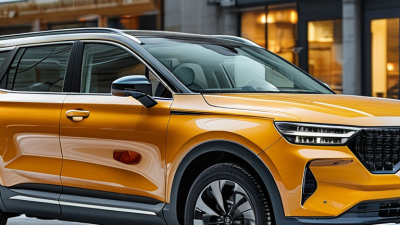
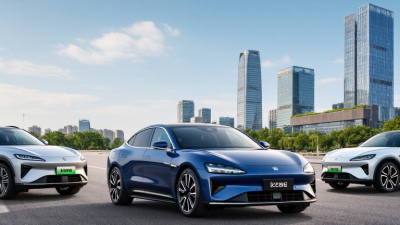
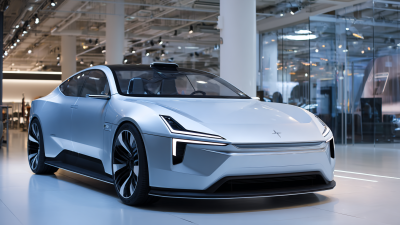
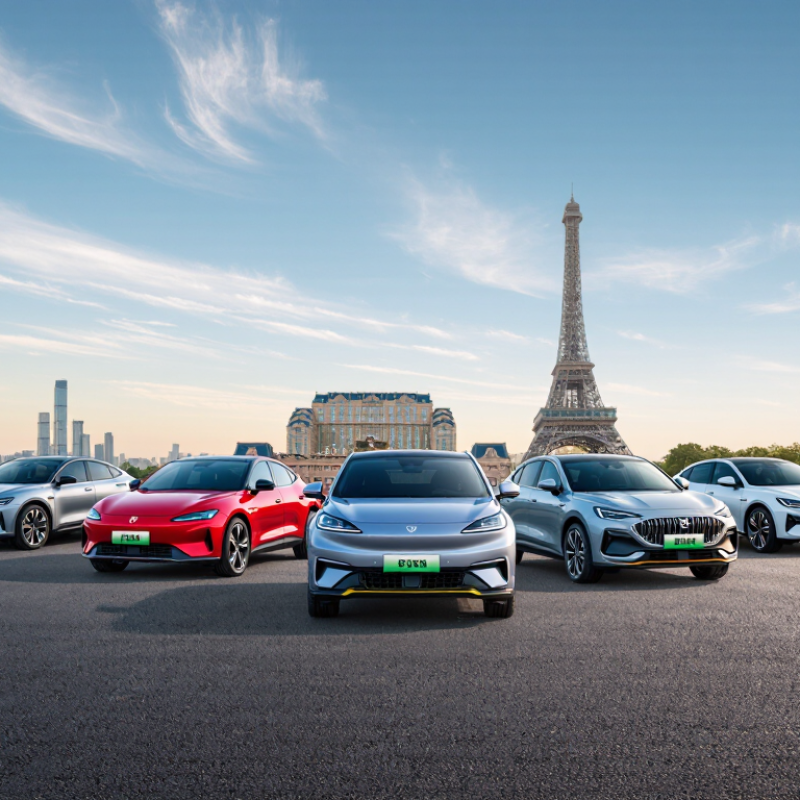
The ten strongest EV choices for global buyers differ more in use than in appearance. A compact city hatchback wins on low price, tight parking, and simple home charging. A small crossover adds child-seat space and a higher driving position. The most balanced family model offers about 450 kilometres of rated range, though cold weather can reduce that figure sharply. A long-range sedan suits motorway drivers, with efficient aerodynamics and a quiet cabin. A larger crossover provides flexible cargo space, but its extra weight raises energy use.
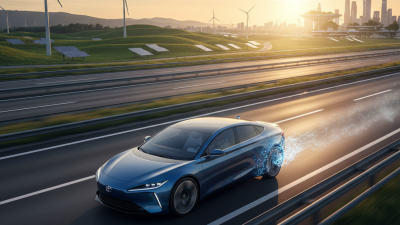
For charging, a 400-volt family EV can be enough for daily travel. A faster 800-volt model may add roughly 250 kilometres during a short roadside stop, where local infrastructure supports it.
Charging speed depends on battery temperature, station output, and queue times. Check the actual charging curve, not only the advertised peak. A small urban EV may charge slowly but remain affordable. That trade-off can be sensible.
Price-focused buyers should examine insurance, battery warranty, tires, and home installation costs. A compact sedan often delivers the best running economy. A seven-seat vehicle offers genuine practicality, yet third-row space may disappoint adults.
A rugged utility EV handles poor roads better, while a performance model brings exciting acceleration and shorter range. My ranking is not perfect; regional taxes, electricity prices, and winter conditions change the result. A test drive with luggage and passengers reveals more than a glossy specification sheet.
Regional Differences in EV Availability, Incentives, and Ownership Costs
Top 10 EV Cars for Global Buyers in 2026?
EV availability will differ sharply by region in 2026. European buyers may find many compact models, but delivery times can vary between countries. Some markets offer purchase rebates, while others provide tax reductions or cheaper registration. These benefits often depend on vehicle price, battery size, income, and local assembly rules. Check the official eligibility details before comparing prices.
North American buyers may face larger vehicles and longer travel distances. A home charger can reduce daily costs, especially where overnight electricity rates are low. However, installation may require electrical upgrades. In parts of Asia, dense cities and strong public charging networks can make smaller EVs practical. Rural drivers may need a larger battery, increasing the purchase price and replacement-cost concerns. Availability is uneven.
Ownership costs need more than a fuel-versus-electricity calculation. Insurance, tires, charging subscriptions, road taxes, financing, and battery warranties can change the result. Public charging is convenient, but repeated fast charging may cost much more than home charging. Used-market values are also difficult to predict. That part remains uncertain. Buyers should compare local tariffs and service coverage, not global averages. A model that appears affordable online may become expensive after taxes, delivery fees, and charger installation. Test the seating, winter range, and charging speed in real conditions. Claims from advertisements need careful checking.