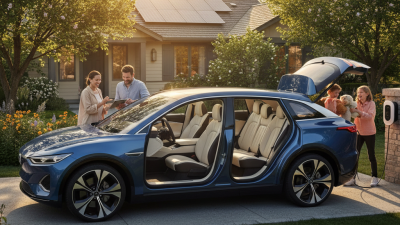
How to Choose SUV Electric Cars for Global Buyers?
Choosing the right Suv Electric Cars model requires more than comparing range figures and showroom prices. Global buyers face different roads, climates, charging networks, taxes, and service standards. A vehicle that performs well in Oslo may struggle in a hot rural region with limited fast chargers. Small details matter. Check ground clearance, rear-seat space, luggage capacity, and winter efficiency before signing a contract.
Automotive executive Carlos Tavares once described electrification as “a revolution, not an evolution.” That warning remains useful for SUV shoppers. Electric power changes how buyers evaluate performance, ownership, and risk. Look beyond the advertised driving range. Examine battery warranty terms, charging speed, thermal management, software support, and replacement-parts availability. A 400-kilometer rating may feel very different with heavy cargo, cold weather, or steep roads.
This guide compares practical factors for international buyers, including urban commuting, family travel, towing, and long-distance use. It also considers regional charging access and local maintenance expertise. An independent test drive is valuable. Ask difficult questions. Can the vehicle charge reliably near your home? Is the mobile application supported in your language? Will the warranty remain valid after relocation? Some choices will still involve compromise. That is normal. The strongest decision balances daily needs, total ownership cost, and dependable support rather than chasing the largest battery.
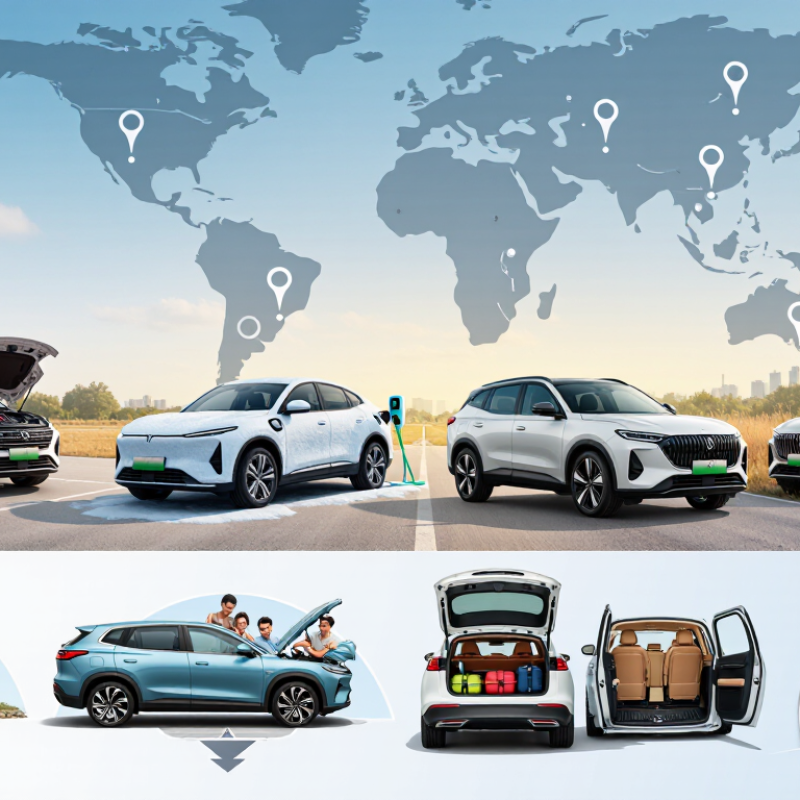
SUV Electric Car Basics for Global Buyers
How to Choose SUV Electric Cars for Global Buyers?
An electric SUV combines battery power, passenger space, and higher ground clearance. Its basic appeal is practical. Families can carry luggage, groceries, or sports equipment without engine noise. For global buyers, the battery, charging system, and local driving conditions matter more than appearance.
Start with reality. Published driving range is a laboratory estimate, not a daily promise. Cold weather, hills, heavy cargo, and highway speeds can reduce range. A useful check is to compare the advertised figure with independent road tests. Leave a safety margin for unexpected traffic. Range is variable. Do not ignore it.
Charging access shapes ownership. Home charging is convenient, but apartment residents may need workplace or public stations. Charging connectors and payment systems differ between regions, so confirm local compatibility before purchase. Check charging time from 10 to 80 percent, not only the maximum charging rate. A larger battery may add weight, cost, and energy use. Sometimes, a smaller battery suits shorter commutes better.
Look for battery warranty terms, service coverage, software support, and parts availability in your country. Safety equipment should match local requirements, including emergency braking and child protection features. Test rear visibility and parking space before buying. A tall SUV can feel secure, yet its turning circle may disappoint in narrow streets. The perfect choice rarely exists. A careful buyer balances range, charging, comfort, climate, and long-term support.
Key Factors in Choosing an Electric SUV
Choosing an electric SUV starts with daily use, not a glossy specification sheet.
The IEA’s Global EV Outlook 2024 reports nearly 14 million electric cars were sold in 2023. Electric SUVs represented almost half of those sales. Their appeal is clear: higher seating, flexible cargo space, and stronger ground clearance. Yet a large body can increase energy consumption. Check tested efficiency, not only battery size.
Range should match local conditions.
Cold weather, steep roads, roof loads, and highway speeds can reduce driving distance sharply. Look for independent testing standards, such as WLTP or EPA ratings, and compare them carefully. They are not directly interchangeable. Charging access matters just as much. The IEA says public charging capacity must expand almost sixfold by 2035 under current climate pledges. Buyers should confirm connector compatibility, home electricity limits, and charging points along regular routes.
Battery durability, cabin safety, and repair support deserve equal attention.
BloombergNEF reported that average lithium-ion battery pack prices fell to 115 dollars per kilowatt-hour in 2024. Lower costs may improve value, but they do not guarantee long-term quality. Ask about battery warranties, thermal management, software updates, and parts availability in your country. I would not trust a claimed “fast charge” without checking the charging curve. Peak power may last only briefly. A quiet test drive can expose poor visibility, firm suspension, or confusing controls. Some choices remain imperfect. That is worth admitting.
Comparing Range, Charging, and Battery Performance
How to Choose SUV Electric Cars for Global Buyers?
Range, charging, and battery performance should guide an SUV electric car purchase. Claimed range is only a laboratory estimate. Real distance changes with speed, temperature, luggage, and road gradients. A family driving on winter highways may use 20–35% more energy. Compare testing standards carefully, because regional figures are not always directly equivalent. My first range estimate was too optimistic after adding four passengers and roof storage.
Charging speed matters as much as battery size. Check the vehicle’s peak charging rate, not only the charger’s advertised output. A suitable high-power station may still deliver less energy when the battery is cold or nearly full. For daily use, home charging overnight is often practical. A 7–11 kW AC connection can restore useful range while the vehicle sits for several hours. On long trips, reliable DC stations near highways reduce waiting, but availability differs widely between countries.
Battery performance depends on usable capacity, thermal control, and warranty conditions. A larger battery is not automatically better. It can increase weight, tire wear, and energy consumption. Look for clear information about usable kilowatt-hours, charging limits, and performance in hot or freezing weather. I would request a cold-weather test drive when possible. That step can reveal slower charging, reduced cabin efficiency, or unexpected range loss. Independent road tests and owner data deserve attention, although neither source is perfect. A careful buyer should compare several measurements before deciding.
Evaluating Safety, Space, Technology, and Comfort
Choosing an SUV electric car for global travel starts with safety, not screen size. Check independent crash-test results and the vehicle’s safety equipment. Look for strong passenger protection, effective emergency braking, lane support, and clear driver alerts. Verify that these systems work in your country’s traffic conditions. During test drives, I watch how smoothly the car reacts near cyclists and parked vehicles. Sudden steering corrections can feel uncomfortable. Safety features are helpful, but they cannot replace attention.
Space needs practical measurement. Sit in every seating position, including the middle rear seat. Check knee room with the front seats adjusted for taller passengers. A flat floor can improve comfort, while a high battery platform may reduce foot space. Measure the cargo area with the rear seats upright. Suitcases, strollers, and charging cables quickly expose poor design. More space is not always better.
Technology should simplify daily driving. A clear navigation system, reliable phone connection, and accurate charging information matter more than decorative functions. Test the interface with cold hands and bright sunlight. Some systems look impressive but require too many menu steps. That is frustrating. Comfort also depends on quiet suspension, supportive seats, adjustable climate control, and low cabin noise at highway speeds. I once focused too heavily on acceleration and overlooked seat support after one hour. That was a useful mistake. Global buyers should also check charging compatibility, service access, warranty terms, and software support in their region.
Checking Regional Costs, Regulations, and Ownership Support
Choosing an electric SUV globally starts with local ownership math, not showroom range claims. The IEA’s Global EV Outlook 2025 reports that electric-car sales exceeded 17 million in 2024. China alone represented more than 11 million sales. That scale does not guarantee equal value elsewhere. Compare purchase tax, registration fees, electricity tariffs, insurance, and winter efficiency in your region.
Regulations can reshape the shortlist quickly. Check vehicle approval rules, charging connectors, home-charger permits, battery recycling duties, and software requirements. The IEA reported more than four million public charging points worldwide in 2023, yet availability remains highly uneven. A rural buyer may face a different reality than a city commuter. Confirm charging speed at your regular parking location. Marketing figures often assume ideal temperatures and low traffic.
Ownership support is equally important. Ask whether trained technicians, replacement batteries, roadside assistance, and independent repair facilities exist nearby. The ICCT’s lifecycle analysis found battery-electric vehicles generally produce substantially lower lifetime emissions than combustion vehicles, despite higher manufacturing emissions. Still, battery repair pricing and resale values remain difficult to predict. My cost spreadsheet would include a contingency fund. It would also record charging downtime, not just electricity prices. A cheap tariff means little when reliable charging is several hours away.
How to Choose SUV Electric Cars for Global Buyers?
Regional EV adoption can indicate charging maturity, regulatory momentum, and the availability of ownership support.
The chart shows the approximate share of electric cars in new-car sales in 2023. Higher adoption generally suggests a more developed charging ecosystem and stronger policy support, but buyers should still compare local purchase taxes, import duties, electricity prices, charging availability, incentives, and after-sales service before selecting an electric SUV.
Source: International Energy Agency, Global EV Outlook 2024. Values are rounded regional estimates.